Structured Curriculum
A linear learning path from core Python principles to specific automation libraries and their contextual use.
A structured course designed for Canadian professionals seeking to understand and apply automation concepts to optimize repetitive tasks and enhance operational processes.
Request Course Details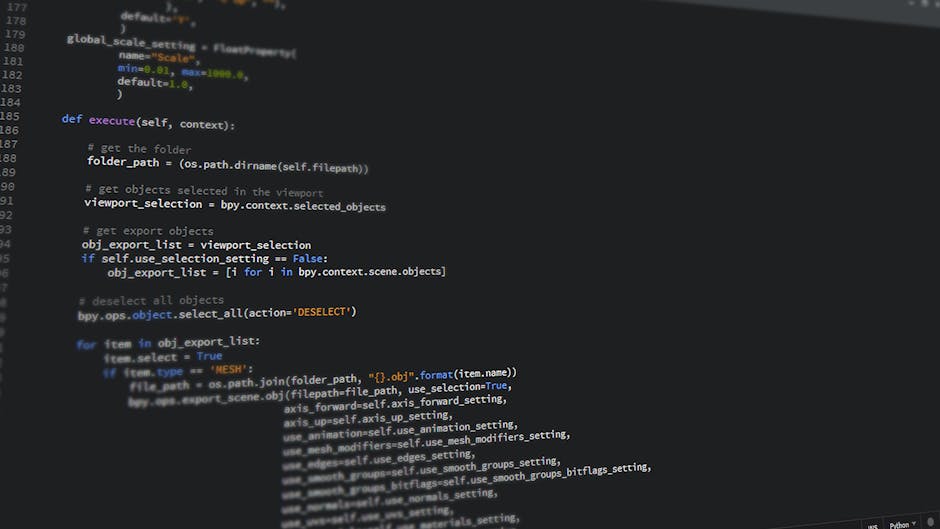
The landscape of professional tasks often includes repetitive operations that can be streamlined. This course presents a framework for understanding how Python can be applied to such scenarios. It is structured around a sequence of topics that build upon each other, moving from foundational concepts to more complex integration methods, all within a context relevant to various Canadian industries.
PyFlow Labs focuses on developing educational frameworks around applied programming. Our approach is centered on creating structured learning pathways that break down complex topics like automation into manageable components. We provide a context for learning that is based on sequential topic progression and practical application scenarios, rather than speculative outcomes.

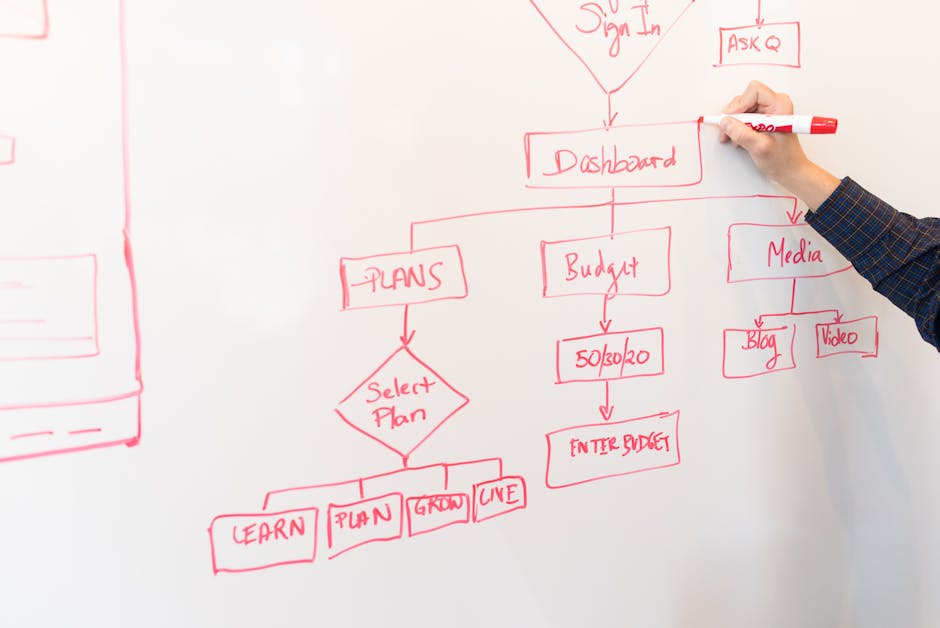
A linear learning path from core Python principles to specific automation libraries and their contextual use.
Exercises based on common operational scenarios to apply theoretical knowledge in a defined context.
Topics are organized into self-contained modules allowing for flexible progression based on individual pace.
Content and examples consider common software and regulatory environments found in Canadian workplaces.
The educational structure is divided into distinct phases. The initial modules establish a foundation in Python syntax and logic flow. Subsequent sections introduce libraries commonly associated with task automation, such as those for file system interaction, web data gathering, and email handling. Each concept is paired with explanatory context about its typical use cases and considerations. The final segment explores ways to combine these tools into scripts that address multi-step processes, always framed as a methodological exercise rather than a guaranteed solution.
At PyFlow Labs, we believe in presenting technical knowledge as a component of a larger analytical process. Our course material is designed to inform and provide a toolkit, not to offer definitive advice. We emphasize that the effective application of automation depends on numerous external factors, including the specific technical environment, task variability, and the individual's analytical approach. The course serves as an informational resource within that broader context.


Access to detailed reference guides, code examples, and documentation for all covered topics.
A library of script examples and project skeletons to study and use as a starting point for exploration.
Tasks that build complexity gradually, reinforcing previous lessons while introducing new concepts.
Guidance on documenting automation scripts and workflows for clarity and maintenance.

A core aspect of the PyFlow Labs framework is situating technical learning within an applied context. We explore not just 'how' a piece of code works, but 'when' and 'why' a particular automation approach might be considered. This involves discussing trade-offs, potential points of failure, and maintenance considerations, providing a more complete picture of the process beyond initial script creation.
Mastery of automation is approached as the development of a systematic understanding. This involves learning to deconstruct a manual process into discrete, logical steps that can be evaluated for automation potential. The course provides a framework for this analysis, emphasizing identification of inputs, outputs, decision points, and error conditions. This methodological foundation is presented as the basis for any subsequent technical implementation.
Establish or refresh core Python programming concepts, including data structures, control flow, and functions.
Explore Python libraries for file operations, web requests, email, and spreadsheet interaction within a defined scope.
Learn approaches for designing scripts that handle multiple steps, conditional logic, and basic error handling.
Review methods for combining scripts and overviews of how to schedule tasks on major operating systems.
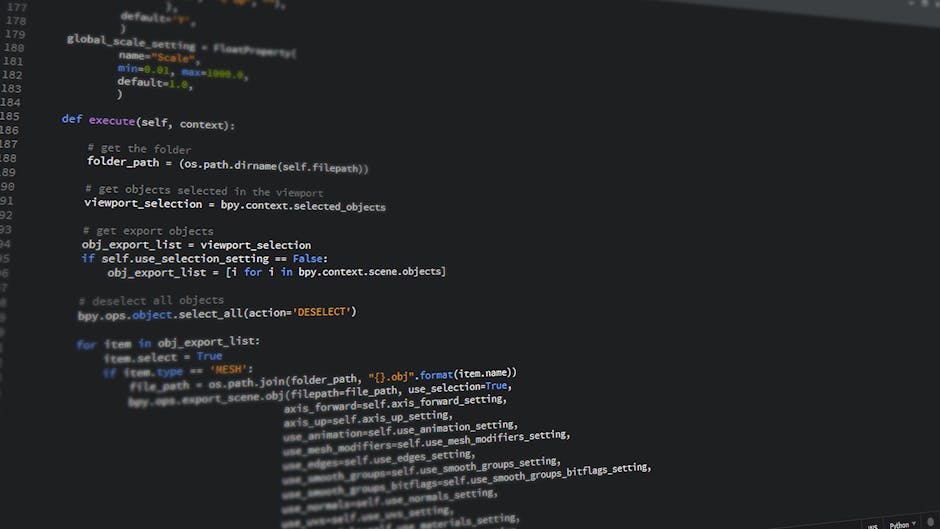
A glimpse into the structured learning environment and the types of practical scenarios explored within the course framework.



We present our educational content with an emphasis on transparent methodology. Each technique is explained with its underlying mechanics, common use cases, and important limitations. This approach is intended to equip participants with the information needed to make informed decisions about applying these tools within their own specific and variable professional contexts.

Automation is not a singular event but an ongoing process of analysis, implementation, and review. Our course material reflects this by integrating concepts of code maintainability, documentation, and iteration. We frame automation skill development as building competency in a continuous cycle of improvement, rather than achieving a fixed endpoint, which depends on consistent application and adaptation.
Identification and structuring of relevant Python automation topics based on common professional scenarios.
Creation of practical exercises and examples that illustrate the application of concepts in a tangible way.
The course material and exercises are reviewed and tested to ensure clarity and logical progression.
Regular review of content to consider updates to libraries, tools, and evolving professional practices.
For a complete overview of the course syllabus, structure, and participation details, please use the form below.